
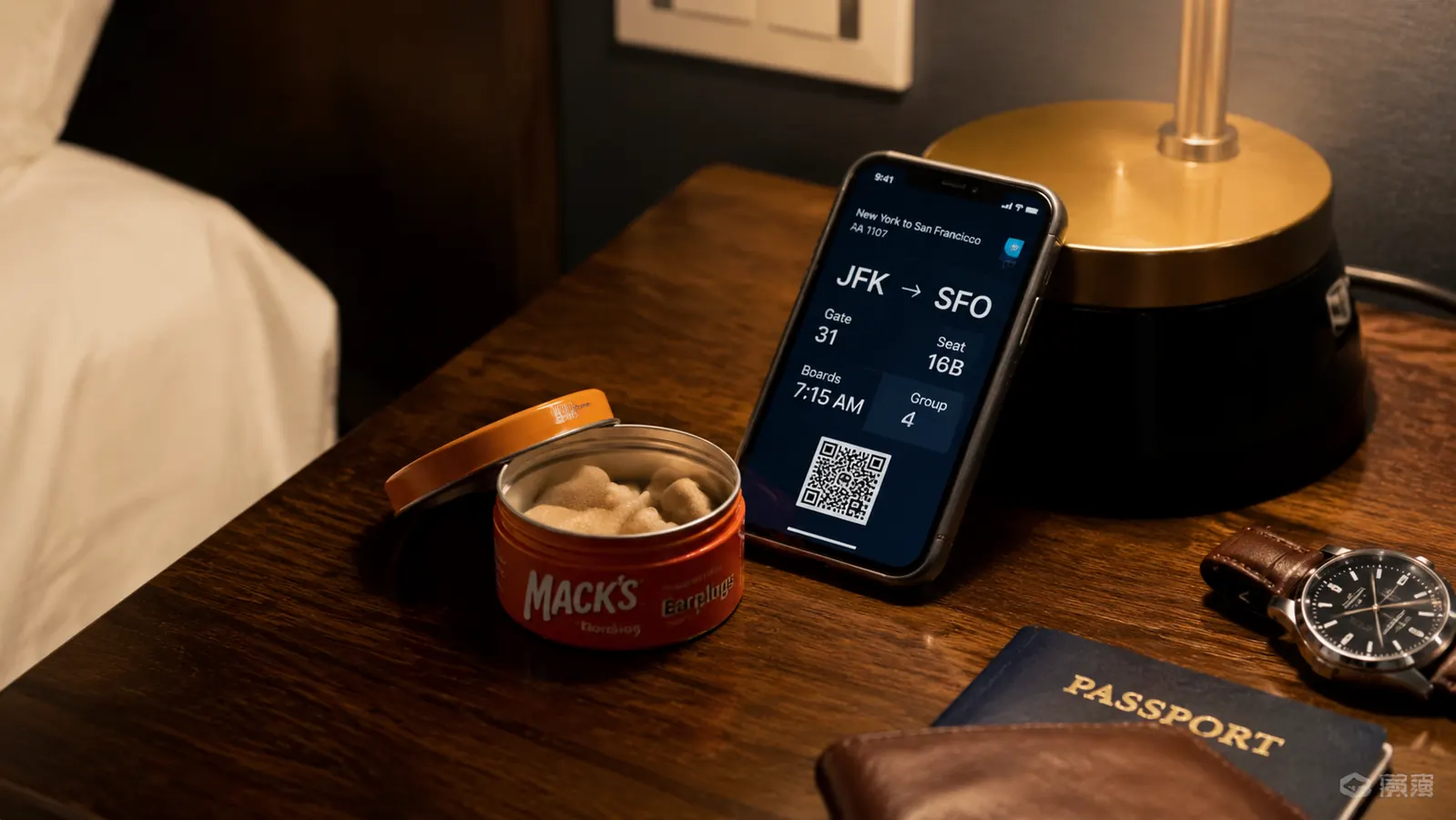
I want to be upfront about something before I get into the review: Mack's Pillow Soft silicone earplugs are not the miracle everyone on Amazon makes them sound like. I've used this exact 12-pair tin, the orange one with the swimmer on it, for a little over three months now, roughly 100 nights between two international flights, a wedding weekend in a hotel with paper-thin walls, and my regular apartment life next to a guy who runs a leaf blower at 7am on Saturdays. They work. But almost nobody who reviews them tells you the parts that actually matter once you're three weeks in, and that's the review I'm writing.
The five-star reviews all say the same three things: they block noise, they're comfortable, they don't hurt like foam plugs can. All true. What they leave out is that these things are sticky, they show in your ears if your hair is short or pulled back, and they are absolutely not the swim plug the packaging wants you to believe they are. I'll get into all of that. First, the honest verdict.
The Quick Verdict
Genuinely excellent for side-sleeping and snore-blocking, messier and more visible than any five-star review lets on.
Amazon Check Today's Price →Still cheaper than a bad night's sleep in seat 34E
A tin of 12 pairs runs about the price of one airport coffee. Check today's price and see if it's in stock before your next trip.
Amazon Check Today's Price on Amazon →How I've Used It
I bought my first tin of Mack's before a two-week trip through Portugal and Spain last spring, mostly because a friend swore by them for snoring hotel roommates. I used the tin for everything: overnight flights, hostel dorm rooms with six other people, an Airbnb next to a church that rang bells on the hour, and eventually just regular nights at home once I got back. That's the mix I'm basing this review on, not a lab test or a single weekend trial.
By the time I finished that first tin, I'd gone through roughly nine of the twelve pairs, which already told me something the packaging doesn't mention clearly: you don't get twelve full uses out of a tin if you're using them nightly, because each pair degrades and needs replacing sooner than you'd expect. I bought a second tin before my next trip and have been tracking how each pair actually holds up since, night by night, which is where a lot of the specifics in this review come from.
I also deliberately tested edge cases most reviews skip: a humid hotel room with no air conditioning in Lisbon, a dry high-altitude Airbnb in Denver, a night after a workout where I hadn't showered, and a night right after washing my hair. The plugs behaved noticeably differently in each of those situations, and that variability is honestly the most useful thing I can tell you before you buy a tin for a specific trip.
What Nobody Tells You in the First Week
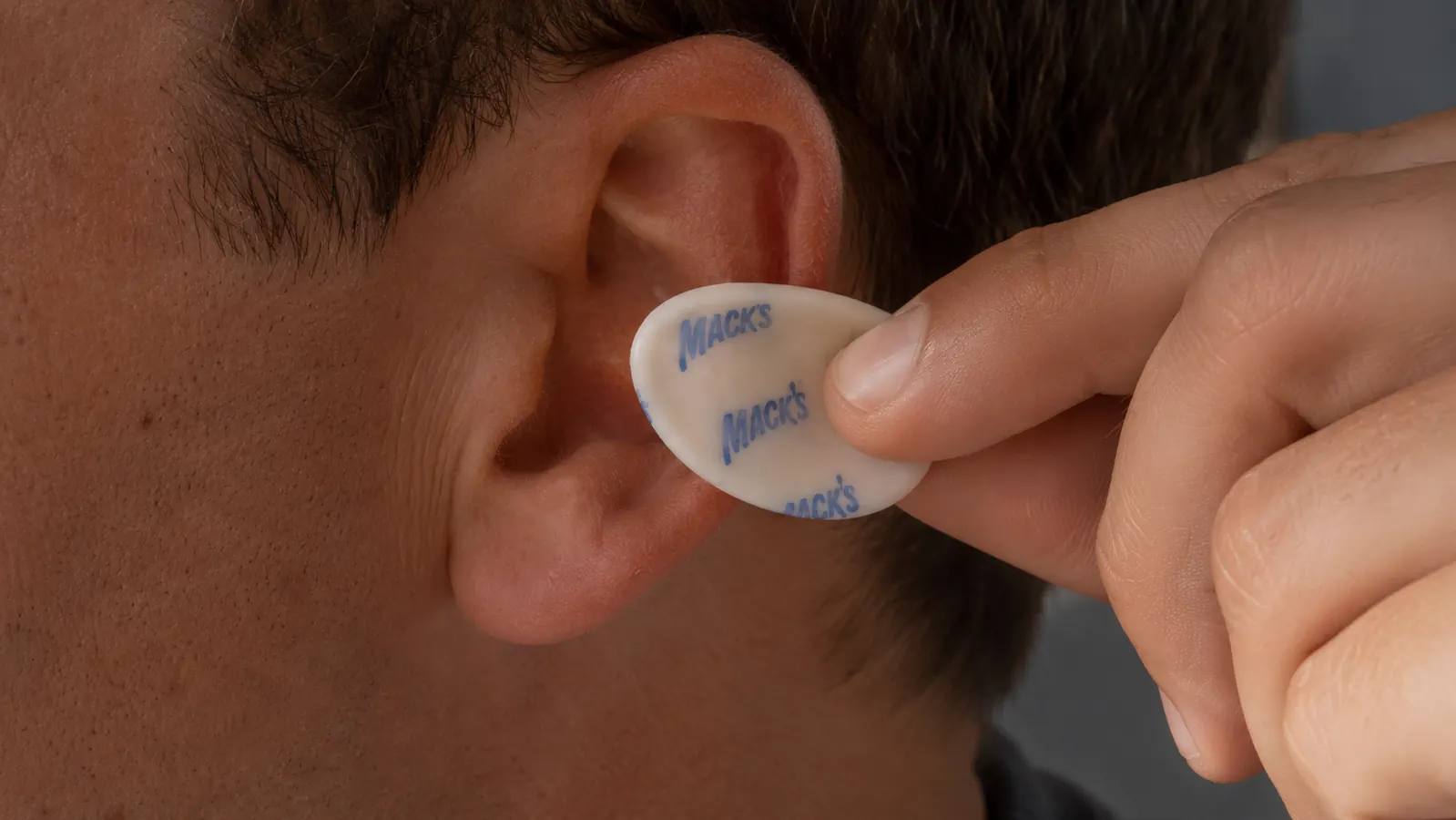
For the first ten days or so, Mack's earplugs feel like a revelation. You roll a pea-sized ball of the silicone putty between your fingers, flatten it into a disc, and press it over the opening of your ear canal rather than pushing it inside like foam. No pressure, no popping sensation, no waking up with a sore ear canal. I used them on a red-eye from Denver to Newark in week one and slept almost the entire five hours, which for me on a plane is close to unheard of.
What the glowing reviews don't mention is what happens by day twelve or so. The putty starts picking up everything. Lint from your pillowcase. A little bit of your own ear wax. If you use any leave-in hair product or dry shampoo, the plug will grab a film of it every single night. Mack's tells you to wash them in mild soapy water between uses, and I did, religiously, and they still degraded faster than I expected. By the three-week mark, my first pair had gone from a clean, slightly tacky putty to something closer to a small gray eraser. Still usable. Just not the pristine little disc from the tin.
Nobody puts that in a five-star review because it feels like a minor complaint next to "I finally sleep through my husband's snoring." But if you're the kind of traveler who packs one tin for a two-week trip and expects it to look like day one on day fourteen, set that expectation now. It won't.
I also noticed the seal quality dropped a little as each pair aged, not dramatically, but enough that by night ten on a single pair I was pressing a bit firmer to get the same hush I'd gotten on night one. That's a normal wear pattern for a putty product, but it's another thing the tin's marketing doesn't prepare you for.
The Sticky, Visible Truth
Here's the part that actually annoyed me enough to dock a star. Mack's silicone putty is tacky by design, that's how it seals against the outer ear without going into the canal. That tackiness means it picks up hair. If you have any hair shorter than shoulder length, or you pull it back at night, expect a strand or two to get stuck to the plug most mornings. I have a pixie cut and dealt with this constantly. It's not painful, just a small annoying tug when you peel the plug off.
The bigger issue for me was visibility. These sit flush against the outside of your ear rather than disappearing inside it, so if you fall asleep somewhere semi-public, like I did twice on flights when I meant to only nap for twenty minutes, you wake up with two flesh-colored discs stuck to the sides of your head. My seatmate on the Newark flight gave me a look when I woke up. It's not a huge deal, but if you're someone who cares about how you look mid-flight, foam plugs disappear more discreetly than these do.
There's also a residue issue on pillowcases. Twice over the 100 nights I found a faint waxy smudge on my hotel pillow in the morning where a plug had shifted overnight. Nothing that didn't wash out, but worth knowing before you use these on a white hotel duvet you're not paying for.
One workaround I landed on: I keep a small ziplock in my toiletry bag just for the plugs between uses, instead of leaving them loose in the tin or on the nightstand. It keeps lint and hair off them for an extra few nights and it's a five-second habit once you build it in.
The Reuse and Hygiene Math Nobody Runs
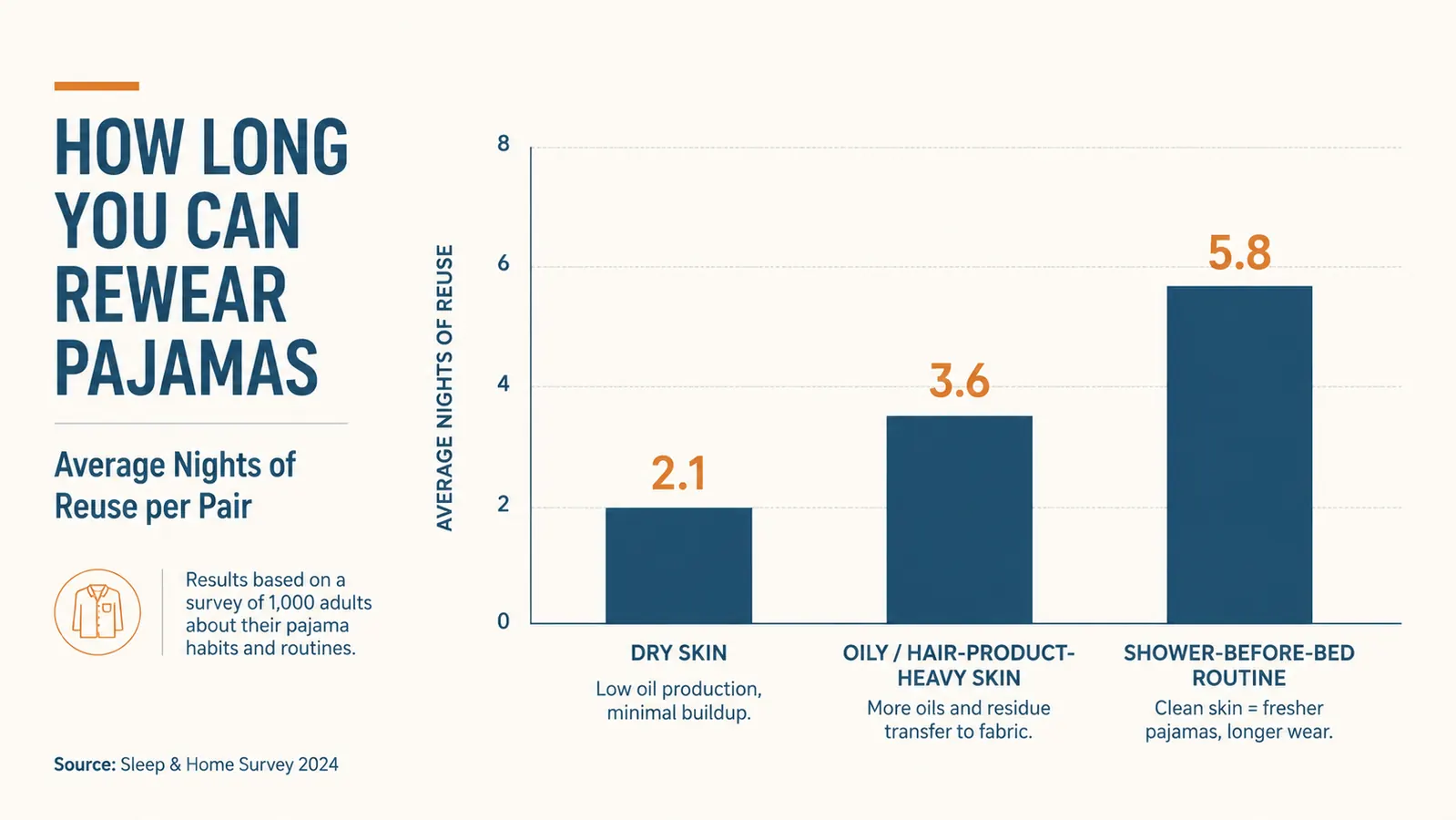
Mack's doesn't publish an expected lifespan per pair, and I think that's part of why expectations get set so high by the twelve-pair count on the box. In my own tracking, a pair used nightly by someone with dry skin and no hair product lasted about ten to fourteen nights before I retired it. A pair used by me on nights I'd used dry shampoo or hadn't showered lasted closer to five or six nights before it felt visibly grimy. A pair used only on travel days, then rinsed and stored, stretched past three weeks.
That means the real math on a 12-pair tin is closer to two to four months of nightly use for most people, not the vague "lasts forever" impression some reviews give. If you're a nightly user, budget for a second tin every season. If you're an occasional traveler who only reaches for these on flights and hotel stays, one tin will genuinely last you a long time.
Washing them does extend the life, but only somewhat. Mild soap and water in the morning, followed by air drying on a clean towel, kept plugs usable a few nights longer than skipping the wash. What washing does not do is restore the tackiness to like-new levels once it starts to dull, so don't expect a wash to reset the clock completely.
The Swimming Claim Is Mostly Marketing
The tin says these work for swimming, and technically they can create a water seal for a short dip in a pool. I tested this in a hotel pool in Cancun, floating on my back for about ten minutes, and the seal held fine. What I would not trust them for is anything more active. I tried them again snorkeling off a boat two days later and one plug worked its way loose within the first few minutes of actual swimming, not just floating. If you're doing laps, diving, or anything with real water pressure and head movement, these are not a substitute for a real swim plug with a headband. They're fine for a lazy pool float. That's about the extent of it.
This matters because a lot of the Amazon reviews specifically praise the swim use, and I think that's setting people up to be disappointed. If swimming is your main use case, look elsewhere. If it's a nice-to-have for the occasional pool day on a trip where you're mainly buying these for sleep and flights, it's a fine bonus feature.
I'd also flag that the water seal held up worse the second and third time I reused the same pair for swimming, likely because the putty was already slightly compressed from prior nights of sleep use. If you want a dedicated swim seal, use a fresh pair for that specific purpose rather than the one you slept on the night before.
Where They Actually Earn Their Price
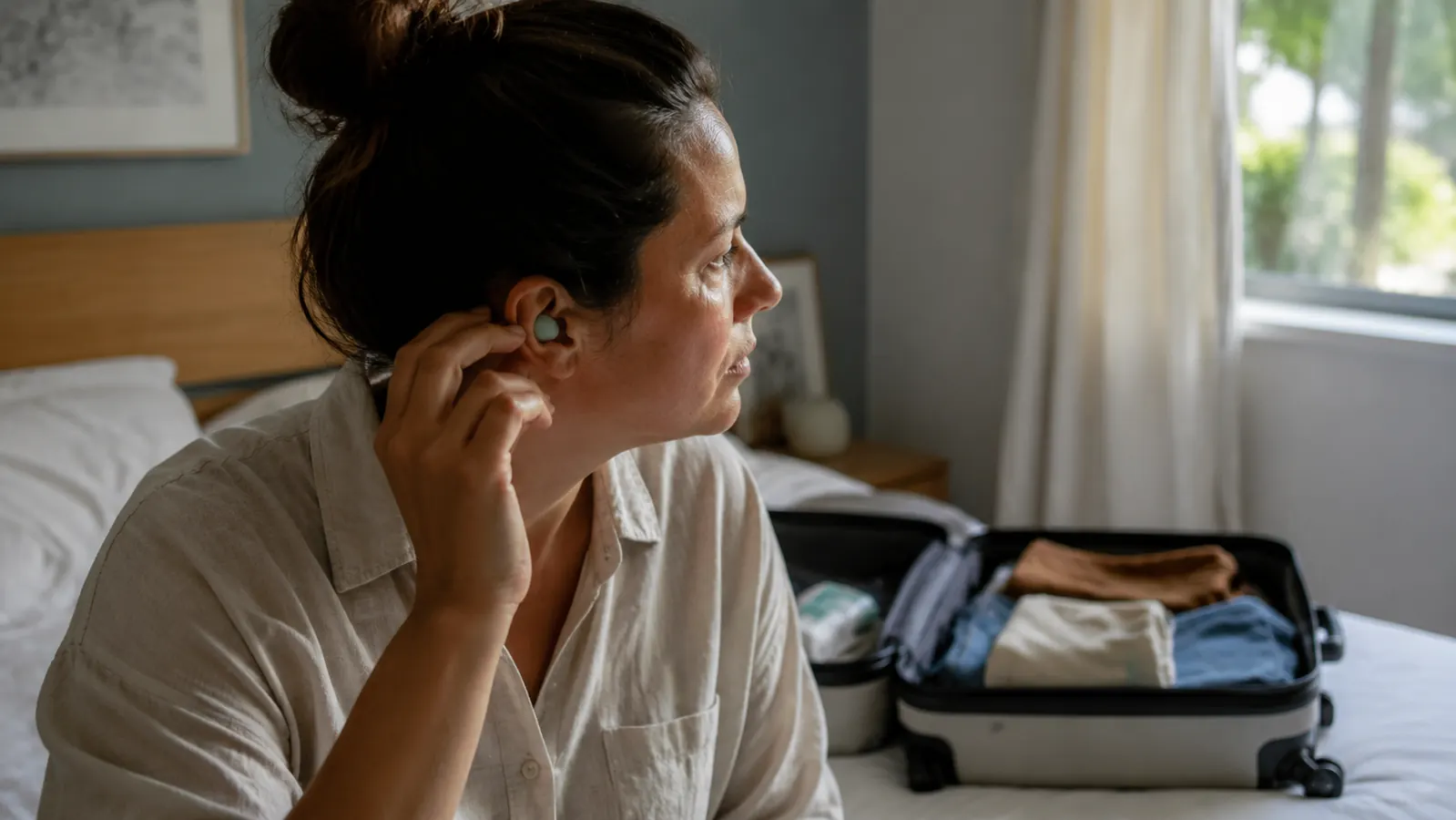
All of that said, I have not stopped using them, and I keep a tin in my carry-on permanently now. The reason is simple: for side sleepers, these solve a real problem foam plugs don't. I sleep almost exclusively on my side, and foam plugs push painfully into my ear against the pillow within about twenty minutes. Because Mack's sits flush against the outer ear rather than protruding, I can sleep on my side all night without any pressure at all. That single feature is why I keep buying these over any foam alternative.
The noise blocking itself is genuinely strong for a moldable putty plug. Mack's rates them at 22 decibels, and in practice that was enough to take my partner's snoring from "impossible to sleep through" to a distant hum I could ignore. It also handled hotel hallway noise, a neighbor's television through a shared wall, and airport lounge chatter during a long layover nap. It did not fully block a fire alarm test in one hotel, which honestly nothing should, and I was glad I heard it.
The moldability also matters more than I expected going in. My ears are a slightly different shape from each other, which foam plugs never account for, and being able to shape each side individually made the seal noticeably better on my left ear than any pre-formed foam or silicone plug I'd tried before.
There's also a practical carry-on argument that doesn't get talked about enough. The tin is small, it's TSA-friendly since it's not a liquid, and it doesn't take up meaningful space in a toiletry bag the way a pair of over-ear headphones or a bulky sleep mask case does. At around thirteen dollars for twelve pairs, even factoring in the shorter-than-advertised lifespan of each pair, it's still one of the cheaper fixes I've found for a genuinely disruptive travel problem. I've spent more on a single bad airport meal than I have on earplugs in three months of steady use.
What I Liked
- No ear canal pressure, genuinely great for side sleepers
- Strong noise reduction for snoring and ambient hotel noise
- Easy to mold to any ear shape, no sizing guesswork
- 12 pairs in a tin means you're not rationing
- Doesn't hurt or feel invasive like foam plugs can
Where It Falls Short
- Gets sticky and picks up hair, lint, and hair product residue within weeks
- Visible on the outer ear, not discreet if you fall asleep in public
- Not reliable for actual swimming or diving despite the packaging claim
- Can leave faint waxy marks on light-colored pillowcases
- Individual plugs wear out faster than the tin's pair count suggests
They solved my side-sleeping problem completely. They also stuck a strand of my own hair to my face more mornings than I'd like to admit.
Who This Is For
If you're a side sleeper who has given up on foam plugs because they hurt after twenty minutes, this is worth trying. If you share a bed or a hotel room with a snorer, or you fly enough that airplane and airport noise genuinely wrecks your rest, the noise reduction alone justifies the price. It's also a solid pick for light sleepers heading to a wedding, festival, or shared Airbnb where you don't control the noise environment and just need something reliable and reusable in your bag.
Who Should Skip It
If your main use case is actual swimming, skip this and get a purpose-built swim plug with a headband instead, this will let you down in the water. If you have short hair or care about how you look during a nap in public, the visible, sticky nature of these might bother you more than it bothered me. And if you're someone who wants a plug that still looks brand new after a month of nightly use, silicone putty just isn't that material. Foam is more disposable and more consistent looking, even if it's less comfortable for side sleeping.
The verdict, minus the five-star spin
Solid for side sleepers and snore-blocking, imperfect for swimming and visibility. If that tradeoff works for you, check today's price on Amazon before your next trip.
Amazon Check Today's Price on Amazon →