
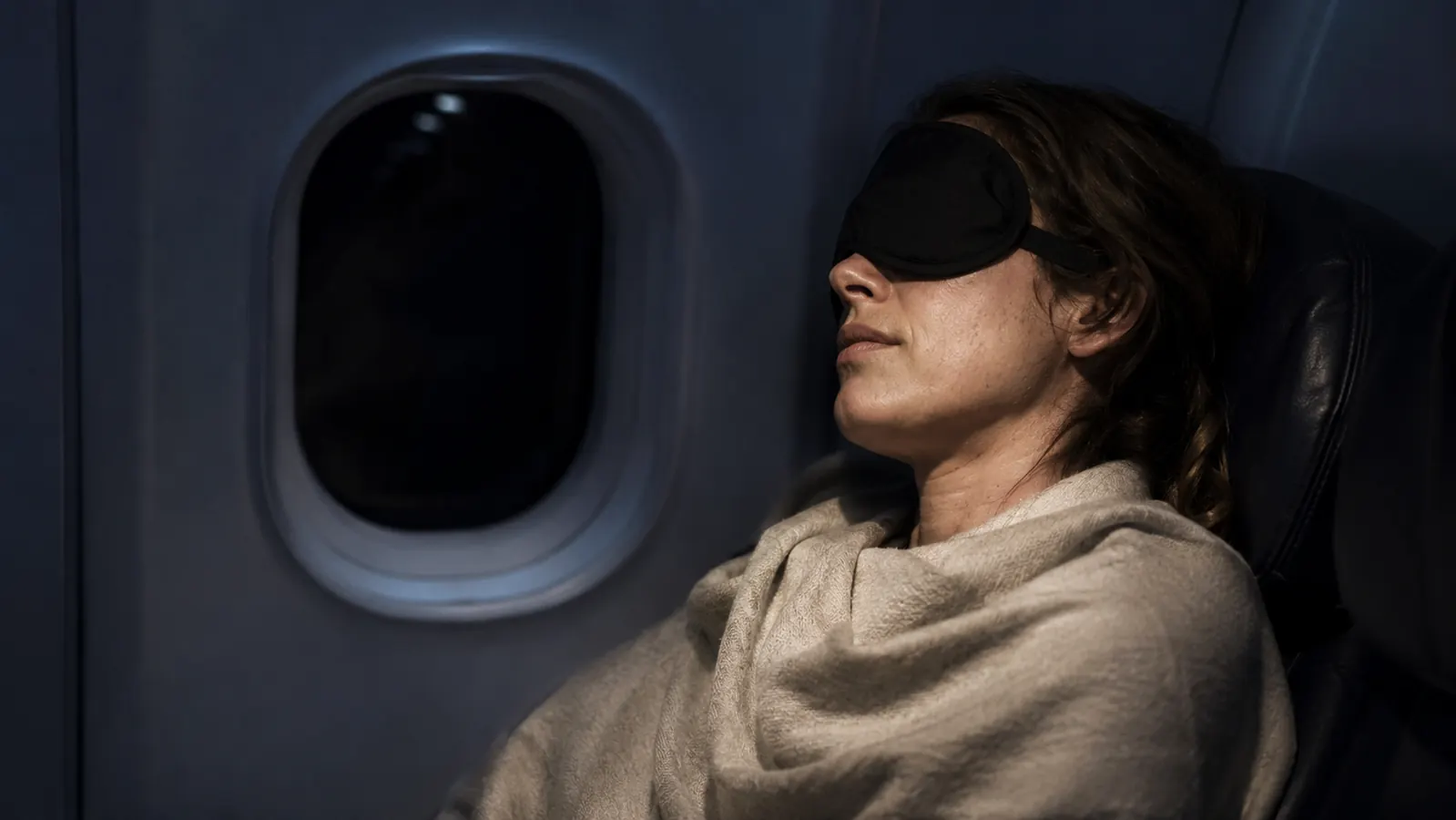
I bought my first YIVIEW 3D sleep mask off a whim in a Denver airport gift shop, not because I'd researched it, but because my old flat mask had died somewhere over Ohio and I had a 1:40 AM boarding call to Seattle. Three months and fourteen red-eyes later, I'm still using masks from that same three-pack, and I've already bought a second pack to keep one permanently in my carry-on backpack as a spare. That's not a small thing for someone who tests gear for a living and usually forgets most of it in a hotel nightstand drawer after two trips.
I'm Dana Whitfield. I spent nine years as a corporate road warrior logging over a hundred flight segments a year before I switched to carry-on only and started writing about the gear that actually survives real travel instead of just looking good in a product photo. The YIVIEW mask earned its spot in my dopp kit the hard way: red-eyes out of JFK, SEA, and DEN, a five-hour delay spent trying to sleep upright in a Charlotte gate area, and one memorably turbulent flight over the Rockies where I needed it to stay put through some real chop. This is what I found.
The Quick Verdict
A genuinely comfortable, well-blocking 3D mask that beats a flat mask on nearly every metric that matters on a plane. Three months in, two of my three are holding up like new and one has a slightly looser strap. Still my go-to.
Amazon Check Today's Price →Stop Fighting a Flat Mask That Slides Off Mid-Flight
A flat sleep mask looks fine in the package and then slides off your nose the second you tip your head against the window or roll toward the aisle. The YIVIEW's molded 3D cups are built to stay put through takeoff, turbulence, and every position you twist into on a red-eye, without pressing on your eyelids the way a flat one does. Check today's price and see if it holds up for you the way it did for me.
Amazon Check Today's Price on Amazon →How I've Used It
I didn't test this mask on a couch for a weekend and call it a review. I wore one on every red-eye I flew this spring and summer, which came out to fourteen flights across three routes I fly regularly: JFK to LAX, SEA to BOS, and DEN to MIA for a family thing that turned into three separate trips. I also wore it during a five-hour weather delay in Charlotte, sitting upright in a gate chair with my feet propped on my backpack, which is honestly a tougher test than a lie-flat seat because there's no headrest doing half the work for you.
My routine is the same every time. I put the mask on right after the seatbelt sign turns off for cruising, usually with a neck pillow and a set of foam earplugs, and I don't take it off until the flight attendants start the pre-landing cabin check. That's typically somewhere between three and six hours of continuous wear, which is longer than most people test a sleep mask before writing about it. I also wore it a handful of nights at home just to get a baseline for how it felt without the noise and vibration of a cabin working against it.
I'm a side sleeper who occasionally rolls onto my stomach, which is exactly the profile YIVIEW says this mask is built for, so I paid close attention to whether the molded cups held their shape when my face was smashed sideways into an airplane pillow at 2 AM. That's the scenario that kills most masks. It's also where this one separated itself from the flat, one-size foam masks I'd used for years before switching.
The 3D Contour: Why It Actually Blocks Light
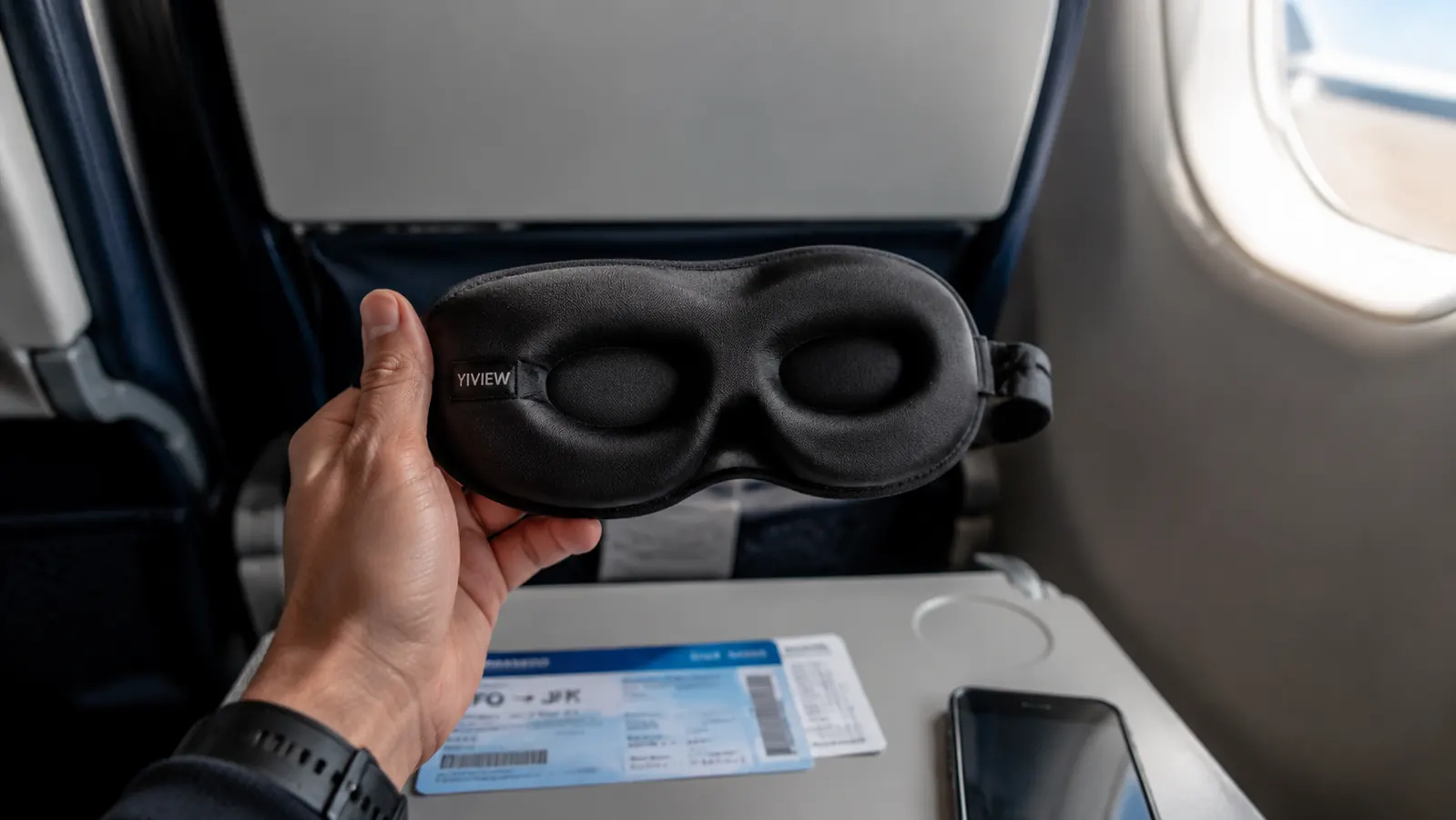
The whole pitch of a 3D eye mask is that the molded cups create a small dome of space over your eyes instead of pressing fabric flat against your eyelids. On paper that sounds like marketing. In practice, on a plane, it's the difference between actually sleeping and just sitting there with your eyes closed pretending to sleep while light leaks in around your nose bridge every time someone walks the aisle with a flashlight-bright phone screen.
The YIVIEW mask blocks light almost completely along the top and sides, and the nose bridge area is where I noticed the biggest improvement over the flat mask I used to fly with. There's a soft foam strip that follows the shape of your nose instead of leaving a gap, so overhead reading lights and the glow from the seatback screen two rows up don't sneak through. On a night flight into Miami where the cabin crew kept the aisle lights on brighter than usual for the beverage service, I still couldn't see any light through the mask, even holding my eyes wide open under it to test.
The trade-off with any 3D mask is that the raised cups can bump your eyelashes if you're a heavy eyelash-batter in your sleep, and I noticed this the first two nights before I adjusted the strap tension down slightly. Once I got the fit dialed in, that stopped being an issue entirely, and I stopped noticing the mask was even there, which is the whole point.
Three Months In: How the Fabric and Elastic Held Up
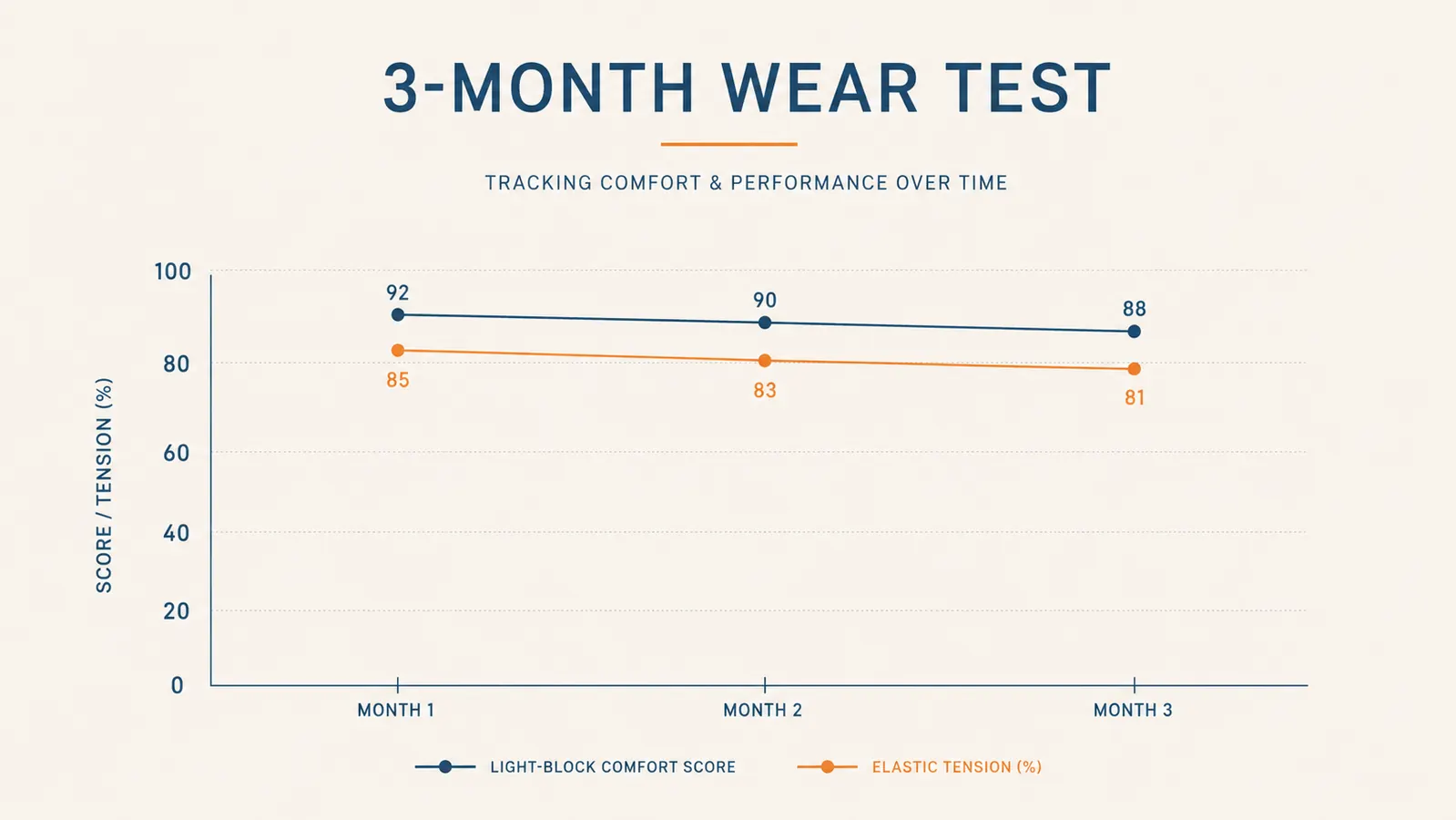
This is where a lot of cheap sleep masks fall apart, literally. I've owned masks that lost their elastic snap within a month of regular use, leaving them loose enough to slide down my face by the second hour of a flight. So I paid close attention to wear over the full three months instead of just reviewing it out of the box like most sites do.
Of the three masks in my pack, two are still performing exactly like they did on day one. The elastic strap on the third has loosened noticeably, probably from being the one I grabbed most often and stuffed unceremoniously into a jacket pocket instead of my dopp kit. It still works, but I've had to cinch the adjustable slider tighter than I did at the start. The outer fabric on all three has held its color and shows no fraying at the seams, which matters when you're stuffing a mask into a backpack side pocket next to keys and a phone charger for months at a time.
The interior lining is a soft, breathable fabric rather than the slick polyester I've dealt with on other masks, and it hasn't pilled or gone tacky with facial oils the way cheaper masks tend to after enough washes. I've hand-washed mine twice in that span, and both times it dried fully overnight without losing its shape, which isn't something I could say about the flat mask it replaced.
Who Wins With the Pack of Three
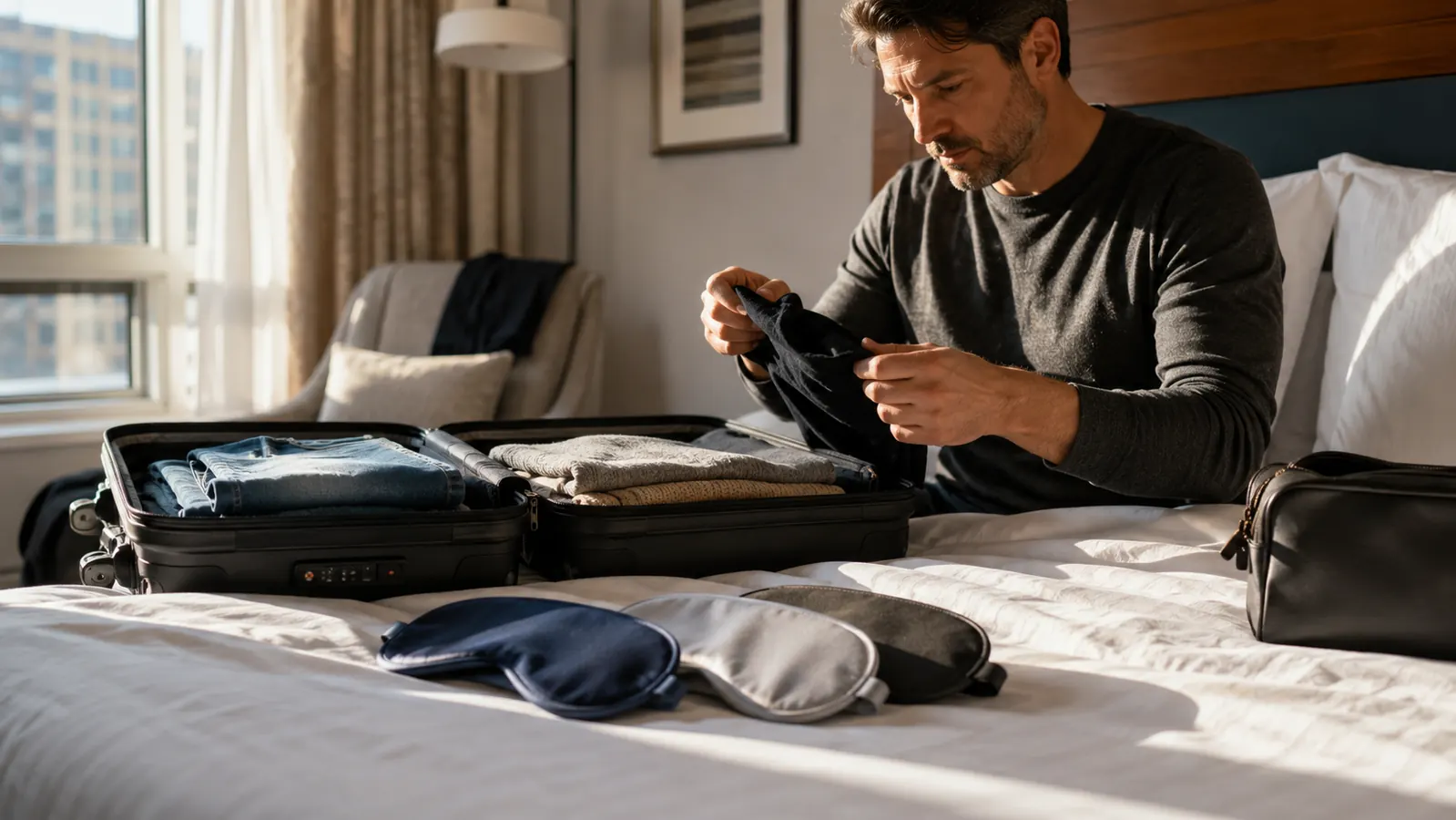
One detail that made this an easy repeat buy is that YIVIEW sells it as a pack of three rather than a single mask. At first that felt like an odd way to sell an eye mask. After three months of actual travel, it makes complete sense. I keep one in my carry-on backpack permanently, one in my checked bag as backup for longer trips, and one at home for regular sleep, so I never have to remember to pack it or dig through a suitcase looking for it.
It also solves the problem of losing a mask, which I've done more than once with a single-pack purchase. If one gets left in a seatback pocket on a red-eye out of SEA, which is exactly how I lost a different mask two years ago, I'm not starting from zero. I just grab the spare and keep moving. For the price of what a single premium mask usually costs, getting three that each perform this well is a genuinely good trade for a frequent flyer.
Where It Falls Short
It's not perfect, and I want to be straight about that instead of pretending three months of use didn't surface any complaints. The strap, while adjustable, uses a simple slider rather than a hook-and-loop closure, and on the mask I've used most, that slider has started to slip slightly under pressure, requiring a re-tighten mid-flight now and then. It's a minor annoyance, not a dealbreaker, but if you're someone who moves a lot in your sleep, it's worth knowing.
The other thing worth mentioning is the cup depth. If you wear thick eyeglasses and try to sleep with them on, which some people do on a plane rather than dig out a case, the molded cups don't have quite enough clearance to accommodate glasses comfortably. I take mine off before putting the mask on, which is my normal habit anyway, but it's a real limitation for readers who don't.
The Alternatives I Considered
Before settling on YIVIEW as my go-to, I tried a handful of other options over the years, including a well-known premium contoured mask that costs several times more per unit and a couple of flat foam masks from airline amenity kits that I kept out of habit. The premium contoured option is genuinely excellent and I won't pretend otherwise, with a slightly more refined strap system and a firmer, more structured cup. But the price gap is significant, and for a mask that's going to get crushed in a backpack pocket, dropped on an airport floor, and occasionally left behind, I've stopped feeling like I need to spend that much to sleep well on a plane.
The flat foam masks, by comparison, aren't close. They're fine for a quick nap on a couch, but on a real red-eye where you need six hours of uninterrupted darkness and comfort against a headrest, the lack of contour shows within the first hour. Once I started using a 3D mask regularly, going back to a flat one felt like a genuine downgrade, not just a different style.
What I Liked
- 3D contoured cups block light almost completely, including around the nose bridge
- Comfortable through 3-6 hour red-eye stretches without pressing on eyelids
- Pack of three means a permanent spare in every bag, no losing your only mask
- Soft interior fabric held up through repeated hand-washing without pilling
- Adjustable strap fits a range of head sizes, worked fine over a hood or headphones
Where It Falls Short
- Strap slider on my most-used mask has loosened noticeably after 3 months
- Not enough clearance to wear comfortably over thick eyeglasses
- Cup depth can bump eyelashes until you dial in the strap tension
The whole point of a sleep mask is that you forget it's on your face. It took two nights to get there with this one. Every flat mask I owned before, I never forgot for a second.
Who This Is For
If you fly red-eyes with any regularity, or you're a side or stomach sleeper who's given up on flat masks because they slide or press on your eyes, this is an easy recommendation. It's also a smart pick for anyone who's tired of losing sleep masks in seatback pockets and hotel rooms, since the pack of three effectively solves that problem for you. At a light price point relative to premium single masks, it's a low-risk way to see if a 3D contoured design actually changes how you sleep on a plane.
Who Should Skip It
If you wear thick eyeglasses and insist on sleeping in them, or you need a mask with a more rigid, structured cup and don't mind paying a premium for it, you may be happier with a higher-end contoured option. And if you're only an occasional flier who needs a mask twice a year, a single basic mask will probably do the job fine without the extra two in the pack going to waste in a drawer.
Three Months of Red-Eyes Later, This Is Still What's in My Bag
I've flown enough red-eyes to know which gear earns a permanent spot in my carry-on and which gets left in a hotel room by accident. The YIVIEW mask made the cut, twice, since I bought a second pack. If you're tired of a flat mask that slides off before you even hit cruising altitude, check today's price and grab a pack for yourself and your travel bag both.
Amazon Check Today's Price on Amazon →